 Reviews


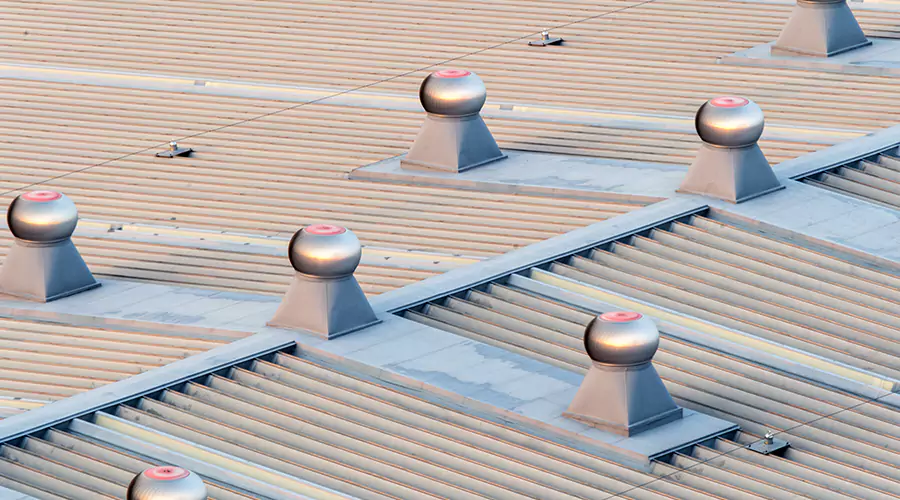
Many homeowners think about shingles, flashing, and gutters when they think about roof performance, but roof ventilation is just as important. A roof does more than protect the home from rain and sun. It also works with the attic space to help manage heat, moisture, and airflow. When roof ventilation is working properly, it supports a more comfortable indoor environment and helps the roofing system perform more effectively over time.
When ventilation is poor, problems can build slowly. Excess heat can collect in the attic, moisture can stay trapped, and your heating and cooling system may have to work harder to keep the house comfortable. In this guide, we will explain how roof ventilation affects your home’s comfort and efficiency, why it matters for roof health, and what warning signs may suggest your ventilation needs attention.
What Roof Ventilation Actually Does?
Roof ventilation allows air to move through the attic space. In a properly ventilated system, fresh air enters through intake openings and warmer, moisture-filled air exits through exhaust vents. This continuous airflow helps regulate attic conditions throughout the year. This also supports overall roof maintenance by reducing moisture buildup and heat damage.
Good roof ventilation helps with:
- Reducing trapped heat in the attic
- Releasing excess moisture from indoor air
- Supporting more stable indoor temperatures
- Protecting roofing materials from premature wear
- Helping insulation perform more effectively
- Lowering stress on heating and cooling systems
Without healthy airflow, the attic can become a problem area that affects the rest of the home.
Why Roof Ventilation Matters for Indoor Comfort?
A poorly ventilated roof can make your home less comfortable, especially in upper rooms. When hot air builds up in the attic, that heat radiates downward and makes it harder for your living space to stay cool. This is especially noticeable during warmer months when the sun heats the roof surface throughout the day.
Poor roof ventilation may contribute to:
- Hot upstairs bedrooms
- Uneven indoor temperatures
- Rooms that stay warm longer in the evening
- A stuffy feeling in upper floors
- Greater dependence on air conditioning during hot weather
Proper ventilation helps the attic release built-up heat instead of trapping it above your ceilings.
How Ventilation Supports Energy Efficiency?
Roof ventilation has a direct effect on how hard your HVAC system needs to work. If your attic becomes excessively hot, the air conditioning system has to run longer and work harder to keep the interior comfortable. That often leads to higher energy use and higher utility bills.
Good roof ventilation supports energy efficiency by:
- Reducing heat buildup in attic spaces
- Helping insulation maintain better performance
- Lowering strain on the air conditioning system
- Supporting steadier indoor temperatures
- Reducing excessive temperature swings in upper rooms
While ventilation alone is not the only factor behind energy efficiency, it plays an important supporting role in the overall performance of the home.
Roof Ventilation Helps Control Moisture
Ventilation is not only about heat. It also helps manage moisture. Warm indoor air can rise into the attic, especially from kitchens, bathrooms, laundry areas, and daily household activity. If that moisture does not have a way to escape, it can collect in the attic and create damp conditions.
Excess attic moisture can lead to:
- Mold or mildew growth
- Damp insulation
- Wood rot in framing or roof decking
- Musty odors in upper parts of the home
- Staining on attic surfaces
A well-ventilated roof helps remove humid air before it causes long term damage.
The Link Between Roof Ventilation and Roof Lifespan
A roof exposed to excessive heat and trapped moisture may wear out faster than expected. Roofing materials perform best when attic conditions stay balanced. When heat builds up under the roof deck for long periods, shingles and related materials may age more quickly.
Poor ventilation can contribute to:
- Premature shingle aging
- Curling or drying of roofing materials
- Added stress on underlayment and sealants
- Moisture damage below the roof surface
- Shorter roof lifespan overall
In other words, ventilation is not only about comfort inside the home. It also helps protect the roof itself.
How Ventilation Works With Insulation?
Some homeowners confuse insulation and ventilation, but both are important and they work together. Insulation helps slow heat transfer between the attic and the living space. Ventilation helps move excess heat and moisture out of the attic. When one is weak, the other may not perform as well as it should.
For example:
- Good insulation with poor ventilation can still leave the attic too hot and damp
- Good ventilation with damaged insulation may still allow indoor comfort problems
- Poor attic conditions can reduce the effectiveness of insulation over time
A balanced roof system depends on both ventilation and insulation doing their jobs properly.
Common Signs of Poor Roof Ventilation
Roof ventilation problems are not always easy to notice right away, but several warning signs can point to trouble. Homeowners should pay attention when comfort or attic conditions start to change.
Common signs of poor roof ventilation include:
- Upstairs rooms that feel too hot in warm weather
- Rising cooling costs without another clear reason
- Musty smells in the attic
- Damp or compressed insulation
- Mold or mildew in attic areas
- Visible moisture on attic surfaces
- Premature aging of shingles
These signs suggest that the attic may not be releasing heat and moisture the way it should.
Seasonal Effects of Roof Ventilation
Roof ventilation matters throughout the year, not only during summer. In warm months, it helps reduce attic heat and improve comfort. In cooler months, it helps manage moisture that can build up inside the attic from normal indoor living.
Seasonal benefits of good ventilation include:
- Better heat release during summer
- More balanced attic conditions year-round
- Reduced moisture buildup during cooler seasons
- Improved overall performance of the roof system
Ventilation is a year-round part of healthy roof function, even if the comfort benefits are easiest to notice during hot weather.
Why Ventilation Issues Are Often Overlooked?
Many homeowners focus on obvious roofing problems such as leaks or missing shingles. Ventilation issues often get overlooked because they do not always create immediate visible damage. Instead, they slowly affect comfort, efficiency, and roof health over time.
Ventilation problems may be missed because:
- The roof looks fine from the outside
- Energy bill increases happen gradually
- Upper floor discomfort seems like a normal summer issue
- Attic moisture stays hidden until damage becomes more obvious
This slow pattern is exactly why ventilation deserves attention before larger problems develop.
What a Professional Can Check?
A roofing professional can evaluate whether your roof ventilation is working the way it should. They may inspect the attic, roof vents, intake and exhaust flow, insulation condition, and signs of heat or moisture buildup.
A professional inspection may help identify:
- Blocked or insufficient vents
- Poor airflow balance in the attic
- Moisture signs on wood or insulation
- Roofing wear linked to excess heat
- Whether ventilation upgrades may improve comfort and performance
This type of inspection can give homeowners a clearer understanding of how the attic is affecting the rest of the home.
How Better Ventilation Can Help Homeowners?
When roof ventilation is improved, homeowners may notice benefits that go beyond the roof itself. A healthier attic can support better comfort, lower stress on the HVAC system, and reduce moisture-related concerns.
Better ventilation can help with:
- More comfortable upper rooms
- Improved attic airflow
- Lower chance of moisture-related damage
- Better support for insulation performance
- Reduced long term wear on roofing materials
These benefits make ventilation an important part of overall home care, not just roofing maintenance.
Final Thoughts
Roof ventilation affects your home’s comfort and efficiency in more ways than many homeowners realize. It helps release trapped heat, control moisture, support insulation, protect roofing materials, and reduce strain on your heating and cooling system. When ventilation is poor, the results may show up as hotter rooms, higher energy bills, attic moisture, and faster roof wear.
If your home feels uncomfortable upstairs or your attic shows signs of heat and dampness, roof ventilation may be part of the issue. Giving ventilation the attention it deserves can help protect both your roof and the comfort of your home over the long term.